Is BJJ Actually Good for Fitness? What the Research Says
Is Brazilian Jiu Jitsu actually good for fitness? We look at the research on BJJ, cardio, strength and mental health benefits at ARMA Clapham.


If you've never trained, BJJ can be hard to place. It's not really cardio in the traditional sense, and it's not weightlifting either. So when people ask whether it's actually good for fitness, or whether it's better thought of as a hobby that happens to involve some exercise, it's a fair question. Here's what the research says.
The cardio demand is real, and it's a specific kind
A systematic review of competitive BJJ athletes, published in the journal Sports Medicine - Open, found their aerobic fitness (VO2max) typically falls between 42 and 52 mL/kg/min. That's a solid aerobic base, broadly in line with other competitive grappling sports like wrestling and judo, and it holds across different competition levels rather than just at the top.
It's worth being clear that this research is on competitive athletes specifically, not first-week beginners. But it points to something useful: BJJ training conditions the same aerobic system that running or cycling does, just through a completely different pattern. Instead of a steady, sustained pace, a roll is made up of short bursts close to maximum effort (scrambling for position, fighting off a submission) followed by lower-intensity control. That start-stop rhythm is structurally similar to interval training, which is one of the more efficient ways to build cardiovascular fitness.
How many calories that translates to varies hugely depending on your weight, how experienced you are, and how much of the session is live sparring versus slower technical work. Estimates online range from around 400 to over 1,000 calories an hour, and most of those numbers come from generic fitness calculators rather than BJJ-specific research, so we'd rather not quote a single figure as fact. What we can say with more confidence is that the cardiovascular demand is genuinely high, not the gentle pace it might look like from the sidelines.
What it does for strength and body composition
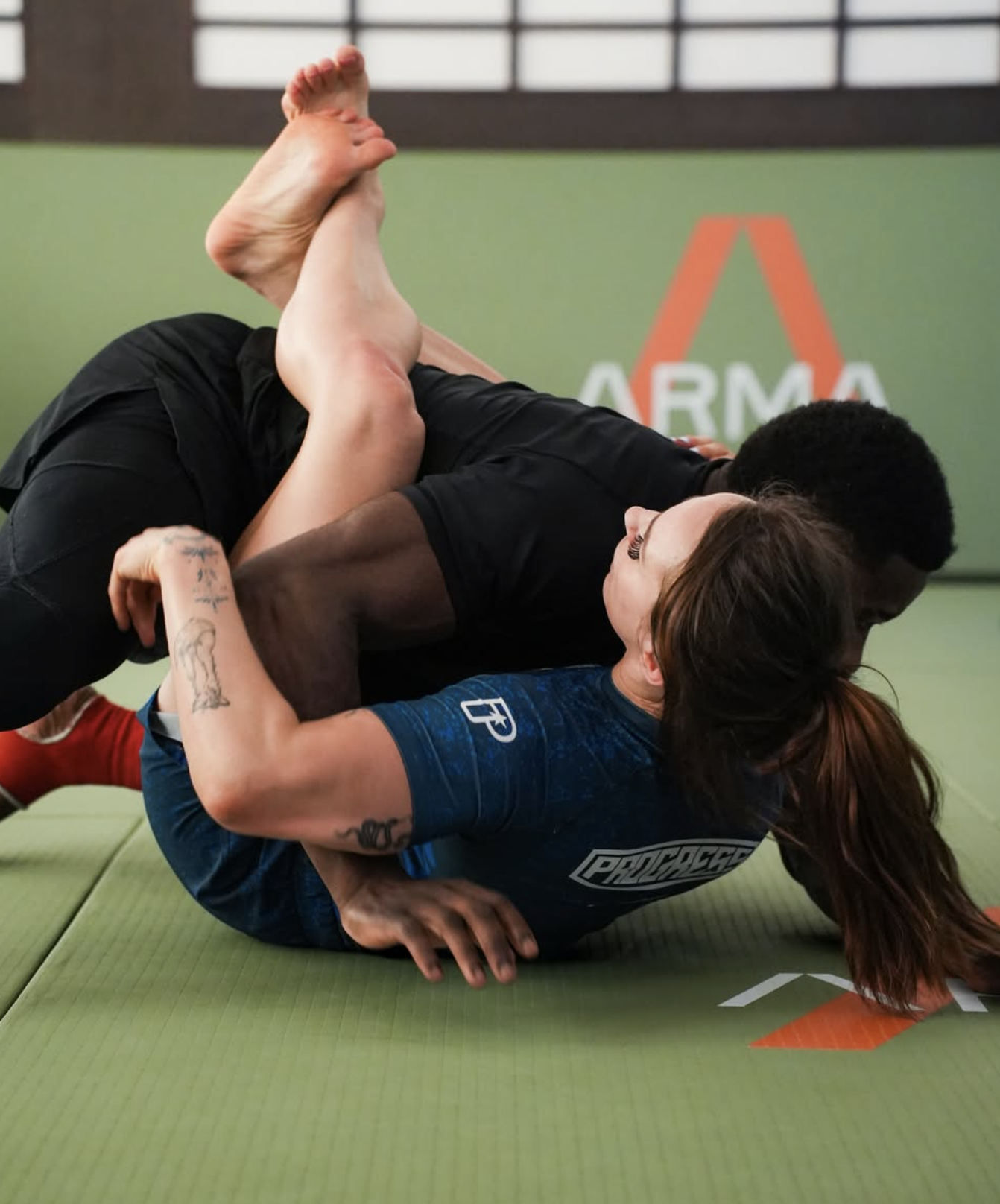
A class involves constant grip fighting, frame-building against another person's weight, and a wide range of movement under control, so it's a properly full-body activity. There's no day for legs and a separate day for arms, every position uses your whole body.
This shows up in the research too. Studies on BJJ practitioners have recorded low body fat percentages and good flexibility compared to non-training adults, alongside the cardiovascular fitness already mentioned. None of that is particularly surprising once you've actually trained a class, but it's good to have it backed up rather than taken on faith.
The part people don't always expect: mental health
This is where the evidence has grown fastest, and it's worth taking seriously rather than treating as a wellness platitude.
A 2019 pilot study from the University of South Florida put US military veterans with PTSD symptoms through five months of regular BJJ training, and found meaningful reductions in PTSD, depression and anxiety symptoms over that period. The researchers were upfront that it was a small first-of-its-kind study and called for larger follow-up research before BJJ gets recommended as a standard treatment, so it's promising evidence rather than settled science.
More recently, and closer to home, the University of Brighton evaluated a UK program called REORG-60, which puts veterans and emergency services personnel through 60 days of BJJ training. Depression and anxiety scores dropped from moderate to mild or minimal over that period, and the researchers described the changes as clinically meaningful, not just a nice feeling after class.
You don't need to be a veteran for the underlying mechanism to make sense. The common thread across this research is that BJJ combines hard physical exertion, which lowers stress hormones on its own, with genuine problem-solving under pressure and a consistent training community. Each of those three things is separately linked to better mental health outcomes, and a normal BJJ class involves all three at once.
So is it good for fitness?
On the evidence: yes, for cardiovascular fitness, strength, flexibility and body composition, and there's a growing and genuinely encouraging case for mental health too. What it isn't, is an easy option. The research suggests the opposite, it asks more of your body across more areas than a typical gym session does.
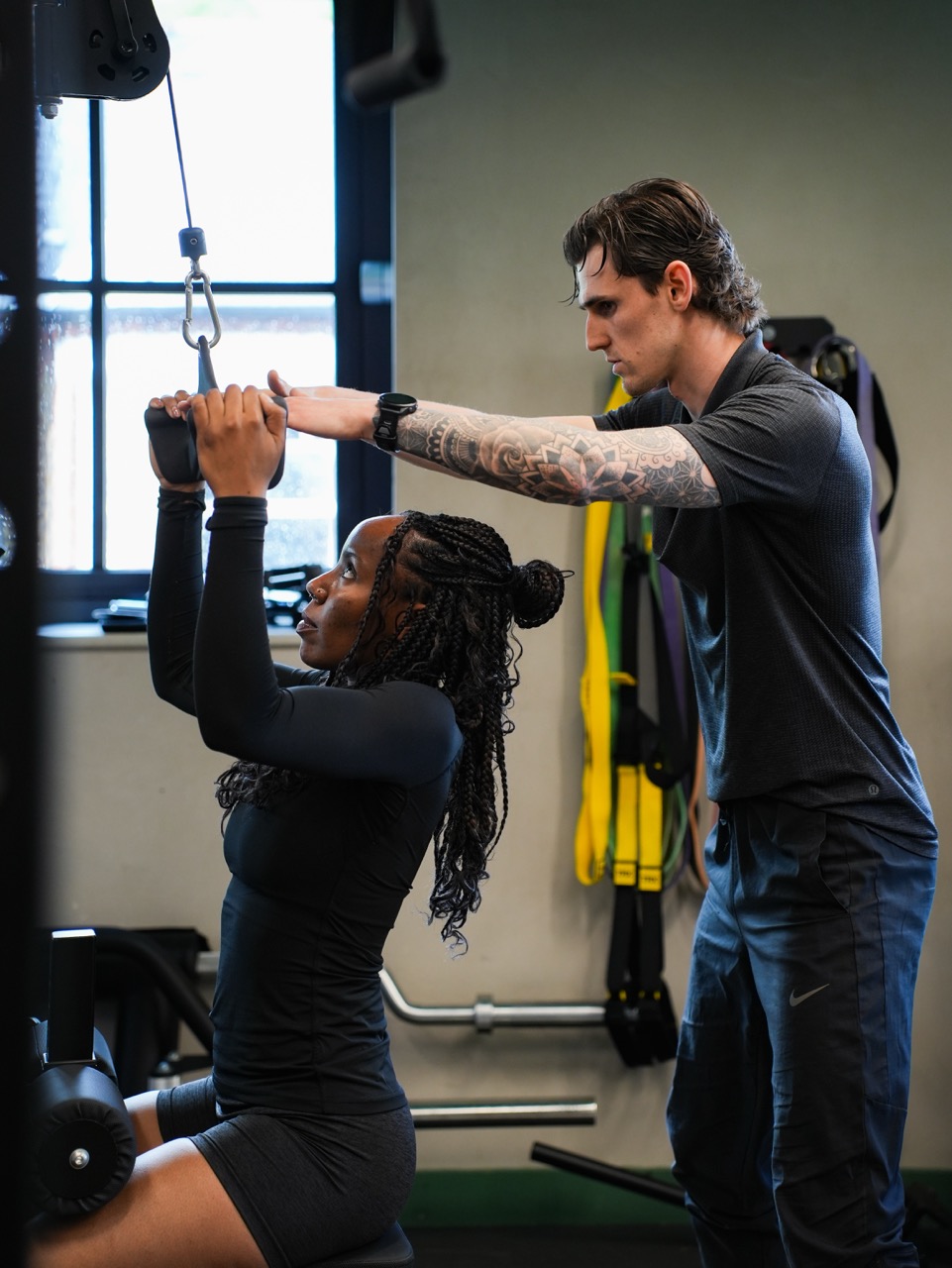
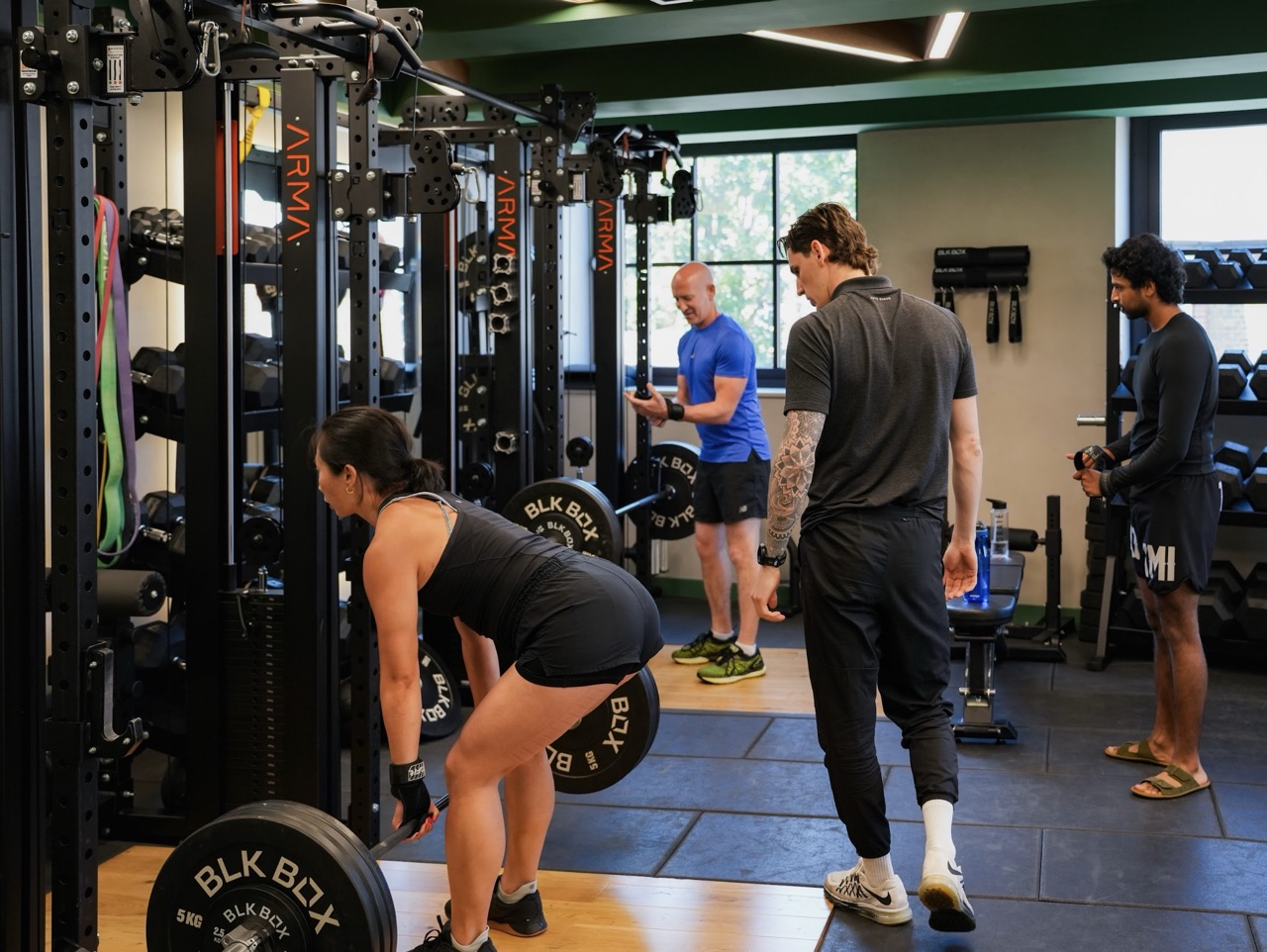
It's also not necessarily a complete training program on its own for everyone. Most practitioners get the most out of pairing BJJ with some dedicated strength work, which is part of why ARMA includes a fully equipped strength and conditioning gym alongside Jiu Jitsu membership. If you want to think through how often to train both, our guide on finding your weekly training split is a good next read.
If you're curious what an actual first class looks like rather than just the theory, our beginner's guide walks through it.
.png)

