How Often Should You Train BJJ? Finding Your Ideal Weekly Split
How often should you train Brazilian Jiu Jitsu? Find your ideal BJJ and strength training split based on available time, goals and experience at ARMA Clapham.

.png)
One of the most common questions from people starting Brazilian Jiu Jitsu in London is: "How often should I train?"
The answer depends on three things: how much free time you have, whether you're training as a hobbyist or competitor, and how you balance BJJ with strength training.
For most people, 3-5 sessions per week is the sweet spot for steady progress without burnout. But that's your total training volume - not just BJJ. At ARMA, we've built strength training into the facility intentionally because the combination produces better, more sustainable results than BJJ alone.
How Much Free Time Do You Actually Have?
Forget belt levels. Start with your realistic weekly availability and build from there.
If You Have Time for 2-3 Sessions Per Week
Recommended split:
- 2-3 BJJ sessions
- Add 1 strength training session once comfortable with BJJ movement
Best for: Beginners adapting to new movement, busy schedules, people prioritising consistency over rapid progress.
Check the ARMA Timetable for Beginners Cohort classes that fit your schedule.
If You Have Time for 4-5 Sessions Per Week
Recommended split:
- 3 BJJ + 2 strength training sessions
- OR 4 BJJ + 1 strength training session
Sample week:
- Monday: BJJ
- Tuesday: Lower body strength
- Wednesday: BJJ
- Thursday: Upper body strength
- Friday: BJJ
Best for: Most people with regular work schedules, intermediate practitioners (1+ years), those wanting balanced athletic development.
This is the model most ARMA members follow - consistent mat time while building the strength and conditioning that prevents injuries and improves performance.
If You Have Time for 6+ Sessions Per Week
Recommended split:
- 4-5 BJJ + 2 strength training sessions
Sample week:
- Monday: BJJ (technique)
- Tuesday: Strength training
- Wednesday: BJJ (live rolling)
- Thursday: Strength training
- Friday: BJJ (drilling)
- Saturday: Open mat
Best for: Competitors preparing for tournaments, athletes with flexible schedules, experienced practitioners (2+ years).
Critical at this frequency: Recovery becomes non-negotiable. Use ARMA's sauna and cold plunge between sessions, prioritise sleep, and listen to your body's signals.

Hobbyist vs Competitor: Different Priorities
Your goals determine how you structure your week.
Hobbyist Training (Fitness, Fun, Longevity)
Recommended: 2-4 sessions per week
Ideal split:
- 2-3 BJJ sessions (focus on technique over intensity)
- 1 strength training session for injury prevention
Training approach: Moderate intensity rolling, focus on learning, mix drilling with positional sparring, take rest days when needed.
Why strength training matters: Even one strength training session per week significantly reduces injury risk and helps you train BJJ sustainably into your 40s, 50s and beyond.
Competitor Training (Performance, Tournament Prep)
Recommended: 5-6 sessions per week
Ideal split:
- 4-5 BJJ sessions (mix of technique, drilling, hard rolling)
- 2 strength training sessions
Training approach: Higher intensity live rolling, competition-specific drilling, structured periodisation around tournament dates, video analysis of training rounds.
Key principle: Competitors need structured training blocks with varying intensity - high-volume weeks followed by deload weeks - rather than constant maximum effort.
The BJJ + Strength Training Split: The ARMA Approach
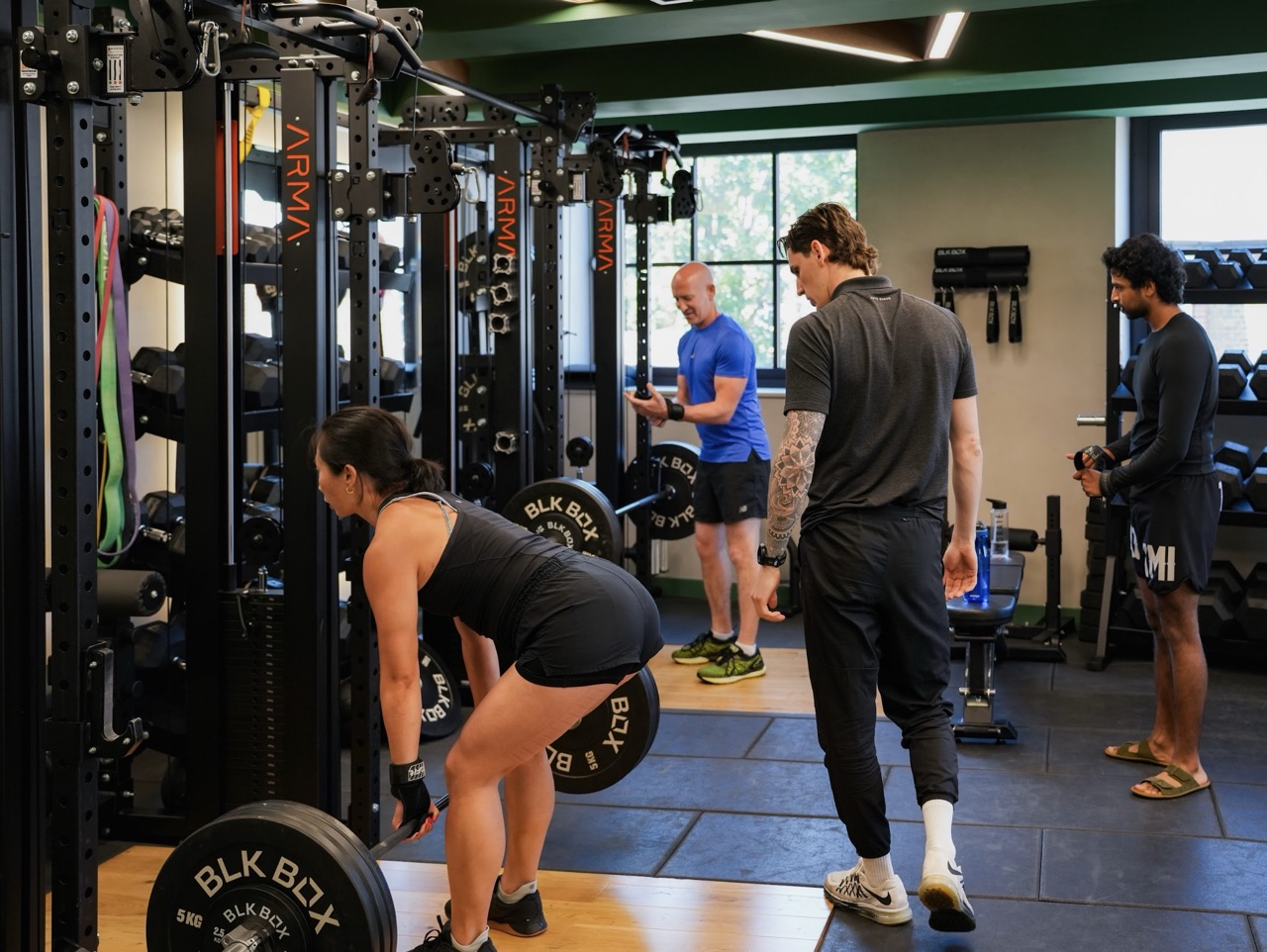
At ARMA, we've built strength and conditioning into the facility because it's essential for long-term progression, not an optional extra.
Why strength training matters for BJJ:
- Injury prevention: Strengthens shoulders, knees and back (the most common BJJ injury sites)
- Performance improvement: Explosive power for takedowns, core strength for maintaining positions, grip endurance
- Faster recovery: Better conditioning means you handle higher training volume
- Longevity: Train harder for longer without breaking down
How to split your time:
New to both BJJ and strength training:
- Start with 1 BJJ + 1 strength training session per week
- Add sessions gradually as your body adapts (one every 4-6 weeks)
- Focus on foundational movements (squat, hinge, push, pull)
Experienced at BJJ, new to lifting:
- Keep your current BJJ frequency
- Add 1-2 strength sessions for injury prevention
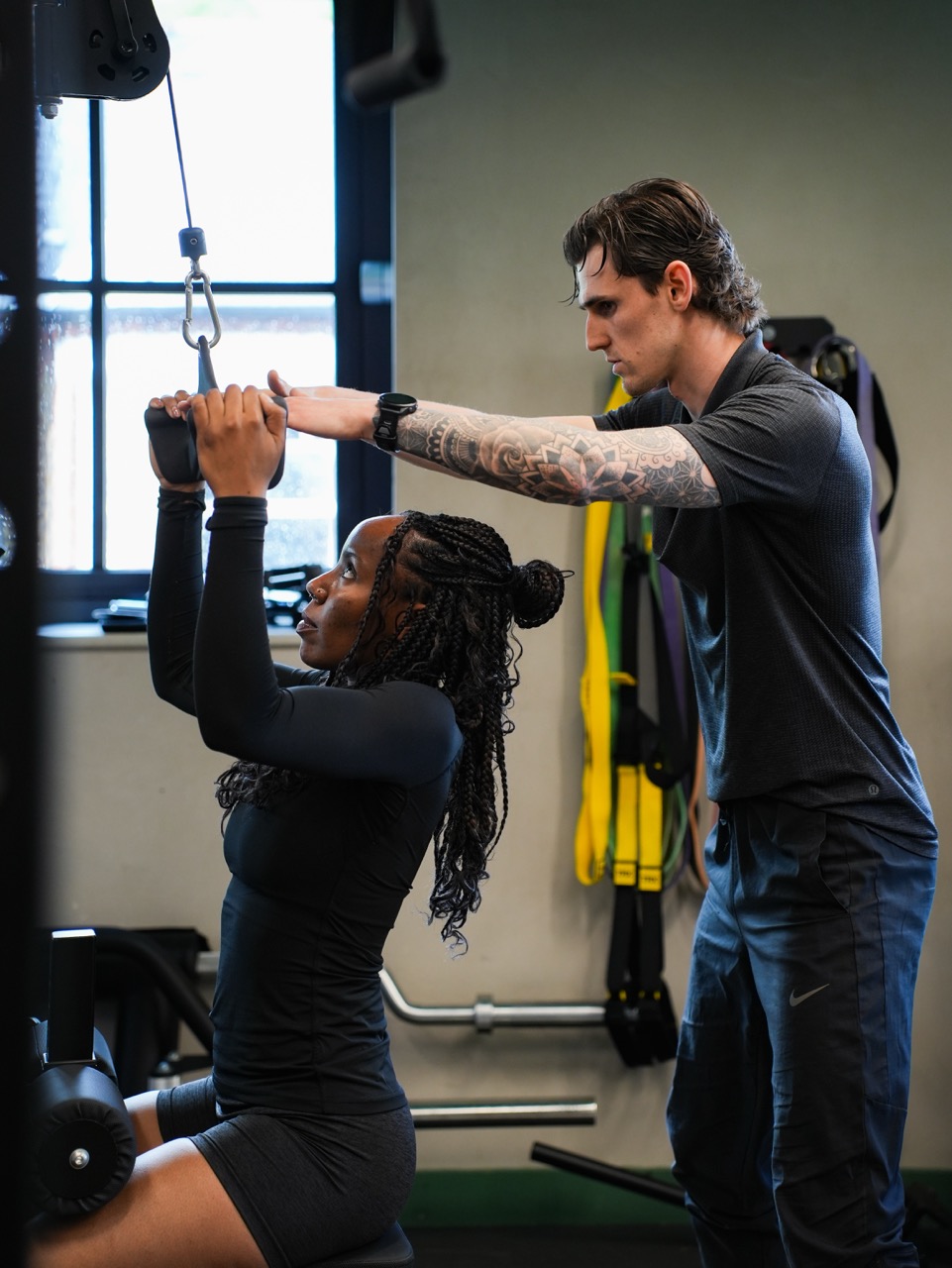
- Work with a coach to learn proper technique
Experienced at both:
- 3-5 BJJ + 1-2 strength training sessions
- Time strength training between heavy rolling sessions
- Adjust volume based on competition schedule
ARMA Jiu Jitsu members have access to strength and conditioning classes included in their membership to support their training. Learn more about ARMA's personal training program.
Recovery is Non-Negotiable
Training frequency isn't just about sessions per week - it's about how well you recover between them.
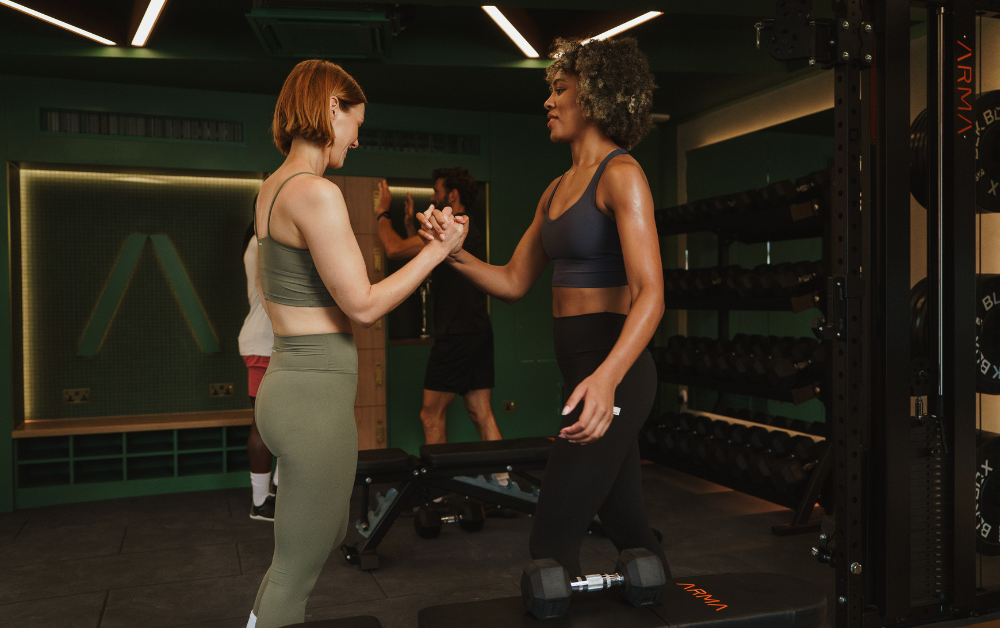
ARMA's recovery facilities support higher training frequency:
- Sauna: Increases blood flow, reduces muscle soreness, accelerates recovery
- Cold Plunge: Reduces inflammation, improves circulation, speeds recovery between sessions
- Mobility Space: Foam rollers and stretching area for pre/post-training
- Protein Shakes: Available on-site to support muscle recovery and nutrition
Strategic recovery protocol:
- Heavy rolling session → cold plunge → sauna
- Light technical session → mobility work
- Strength training session → mobility work
Using these tools consistently can increase your sustainable training frequency by 20-30% without adding more sessions.
Beginners: Your First 6-12 Months
Recommended: 2-3 sessions per week
Your body needs adaptation time more than it needs volume.
What beginner training looks like:
- 2-3 Beginners Cohort classes per week
- Focus on basic movements and positions
- Light positional sparring
- Optional: 1 strength training session from day one
Common mistake: Training 5-6 times per week in the first month. Within 4-6 weeks, you'll be exhausted and mentally drained.
Better approach: Start with 2 BJJ sessions per week. Add strength training from day one if you have the capacity - even 1 session per week makes a difference. After 4-6 weeks, add a third BJJ session if recovering well.
Read more: Your First 8 Weeks of BJJ at ARMA Clapham

Key Factors to Consider
Age and Recovery
Recovery needs vary by individual more than by age. Some 45-year-olds train 5-6 times per week without issue, while some 25-year-olds need extra rest days.
Listen to your body's signals, not arbitrary age brackets. If you're recovering well and progressing, your current frequency is working.
Work and Life Demands
Your total stress load (work + training + life) determines what you can handle. Everyone's capacity is different, and stress isn't always obvious or measurable.
If you're feeling constantly drained outside of training, it's a sign to reduce volume rather than push through. Quality of life matters more than hitting an arbitrary training frequency.
Injury History
If you're managing a chronic injury, conservative frequency is essential.
- 2-3 BJJ sessions per week
- 1-2 strength sessions targeting injury prevention
- Regular physio or sports therapy
More volume won't speed healing - it'll re-aggravate the issue.
Listen to Your Body Day-to-Day
Your capacity isn't fixed week to week. Some days you'll feel sharp and recovered, other days you'll feel beat up.
On good days: Push yourself. Roll harder, drill with more resistance, work on difficult techniques.
On tired days: Roll lighter. Focus on technique and movement quality rather than intensity. Consider a drilling-only session or mobility work instead of live rolling.
This day-to-day adjustment is more important than following a rigid schedule. The best training plan is one that adapts to how you actually feel, not one that ignores your body's signals.
Signs You're Training Too Much
- Chronic soreness that doesn't improve with rest
- Declining performance
- Poor sleep despite exhaustion
- Loss of motivation
- Frequent minor illnesses
Action: Reduce volume by 30-50% for 1-2 weeks, increase sleep, use recovery facilities daily.
Signs You're Not Training Enough
- Techniques aren't sticking - you forget movements between sessions
- You feel fully recovered but aren't progressing at the pace you want
- You have more capacity - you consistently finish sessions feeling like you could do more
Action: Add one session per week for 4-6 weeks and track if progress accelerates.
Important: Don't compare your progression to others. Someone who's more athletic or has experience in technical sports may progress faster regardless of training frequency. Your journey is your own - focus on whether you're improving relative to where you were last month, not relative to someone else.
Frequently Asked Questions
How often should beginners train BJJ?
2-3 times per week to allow your body to adapt while building consistency.
Should I do strength training alongside BJJ?
Yes - 1-2 sessions per week prevent injuries and improve performance. ARMA Jiu Jitsu members have access to strength and conditioning classes included in their membership.
Can I train BJJ every day?
Possible for experienced athletes with excellent recovery, but most people benefit from rest days.
What's better: more BJJ or adding strength training?
If you have 3 sessions/week, prioritise BJJ. If you have 4+ sessions available, add strength training for longevity and injury prevention.
Is training once or twice per week enough?
Yes - progress will be slower, but training 2x per week for a year beats 6x per week for two months and quitting. Consistency matters more than volume.
Final Thoughts
There's no universal "right" training frequency - only what works for your body, schedule and goals right now. What works for you this month might need adjusting next month based on work stress, recovery, or how your body is responding.
Key principles:
- Start with your realistic weekly availability
- Include strength training from the beginning - even one session per week makes a difference
- Hobbyists and competitors need different approaches
- Recovery determines sustainable frequency
- Consistency beats volume
- Listen to your body day-to-day - adjust intensity based on how you feel, not a rigid plan
Your training journey is unique. Someone might progress faster or slower than you for dozens of reasons - athletic background, age, recovery capacity, available time, natural aptitude. The only comparison that matters is you versus last month's version of you.
At ARMA in Clapham, we've designed the facility to support whatever training frequency works for you. Whether you train twice a week or six days a week, you'll have access to world-class coaching, proper strength training equipment, and recovery tools that let you train at your own pace, on your own timeline.
Ready to start? Book your first session or check the ARMA Timetable to plan your training week.