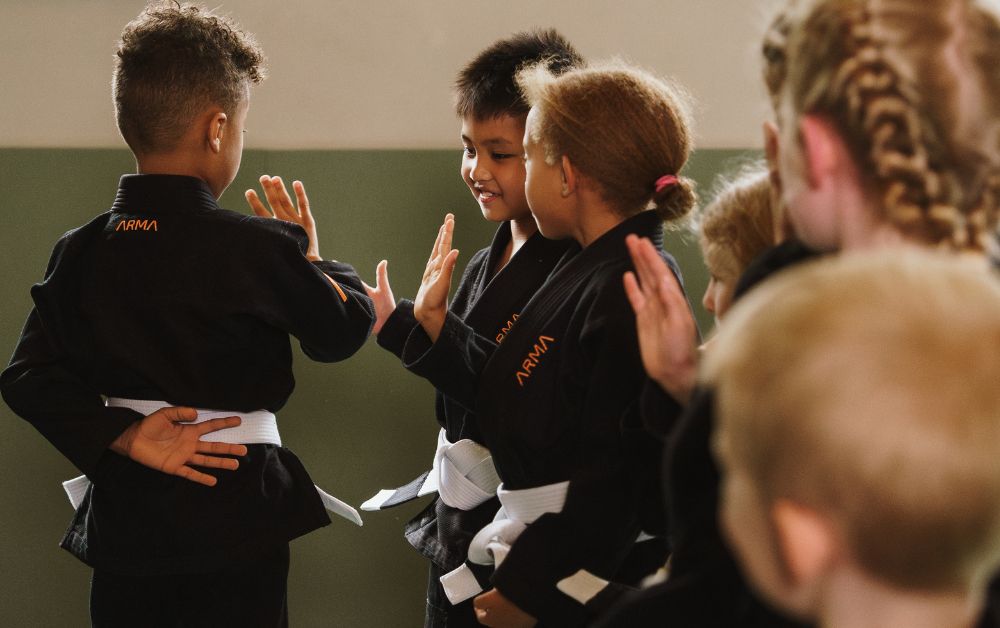
Kids Jiu Jitsu in Clapham: The Complete Parent's Guide
Complete guide to kids Brazilian Jiu Jitsu in Clapham. Benefits, age groups, what to expect and Young ARMA's program for children 4-16.

If you're a parent in Clapham or South West London choosing an activity for your child, you're probably weighing up the options: football, swimming, dance, martial arts. Brazilian Jiu Jitsu isn't as well-known as traditional activities, which makes it harder to know what to expect – but it offers something unique. This guide cuts through the uncertainty and shows you exactly what BJJ offers, what the Young ARMA's programme looks like, and whether it's right for your child.
What Is Brazilian Jiu Jitsu for Kids?
Brazilian Jiu Jitsu is a grappling martial art that teaches children how to control an opponent using technique, leverage and timing rather than size or strength. Unlike striking arts (karate, taekwondo), there are no punches or kicks – just positional control, escapes and submissions.
What makes BJJ different for children:
- Problem-solving over aggression - every position is a puzzle to solve
- Partner-based training - kids learn to work with others, not just against them
- Scalable intensity - children can train hard or light depending on their comfort level
- Progressive skill development - clear stripes and belt system shows measurable progress
- Respect and discipline - built into every class
At ARMA, we structure the Young ARMA's programme around these principles whilst keeping training fun, engaging and age-appropriate.
Why Choose BJJ Over Other Children's Activities?
Many parents ask: why BJJ instead of football, swimming or gymnastics?
Unlike team sports, BJJ teaches individual skill development whilst still requiring partner work – your child learns self-reliance and collaboration.
Unlike dance or gymnastics, BJJ includes problem-solving under pressure and builds mental resilience alongside physical literacy.
Unlike striking martial arts, BJJ focuses on control and technique, not aggression – children learn to defend themselves without needing to hurt others.
BJJ isn't for every child, but for kids who need structure, mental stimulation and a challenge that grows with them, it's one of the most rewarding activities you can choose.
Age Groups and Programme Structure
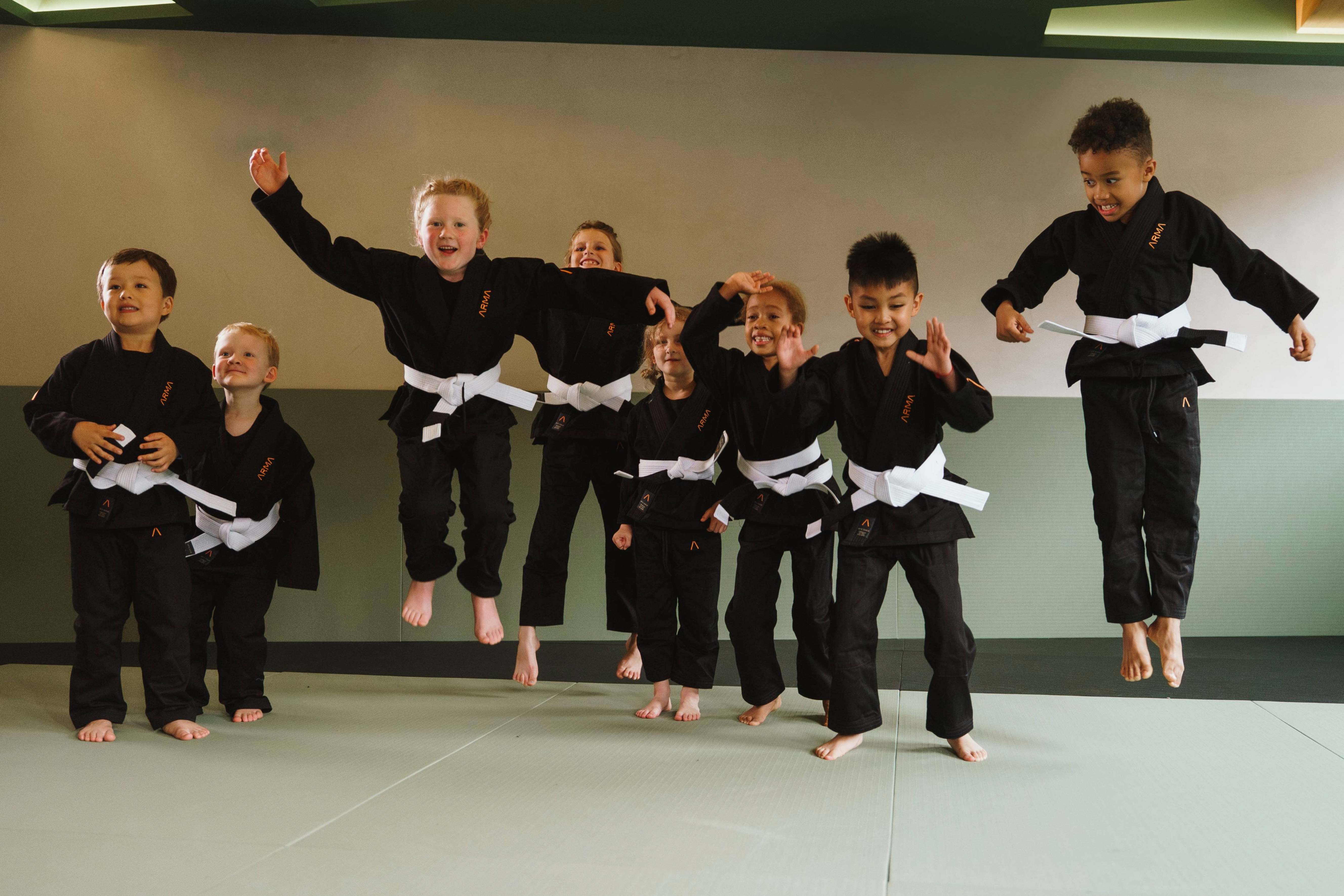
Little ARMA's (Ages 4-6)
Fun movement-based introduction to Jiu Jitsu.
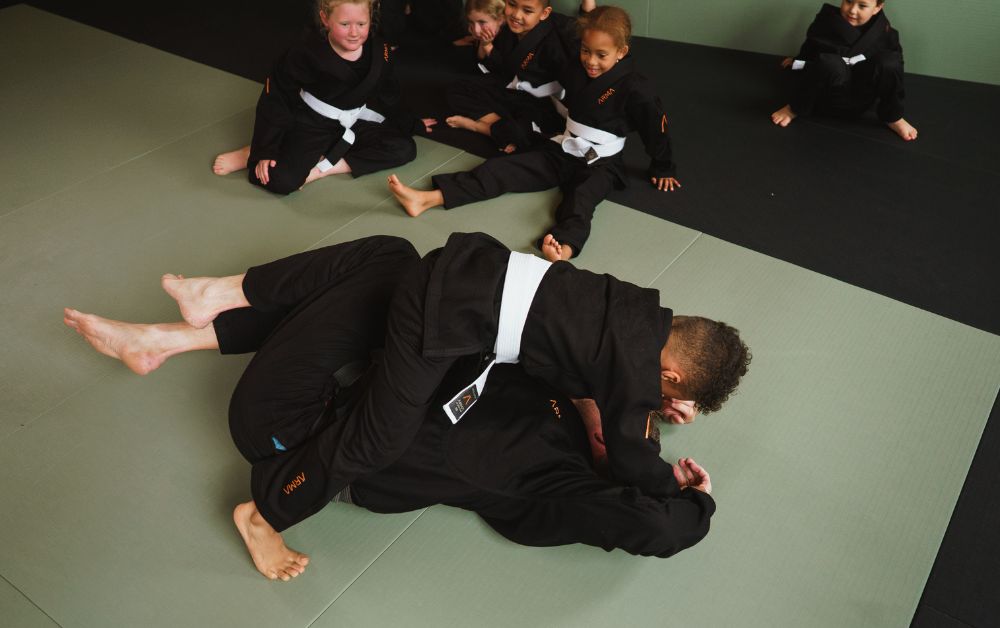
The Little ARMA's programme focuses on building foundational movement skills and introducing children to the structure of martial arts training in a playful, supportive environment.
Learning aims:
- Confidence
- Coordination and body awareness
- Focus
- Listening
- Early discipline
- Respect and teamwork
What they'll learn:
- Basic movement patterns (crawling, rolling, bridging)
- How to fall safely (breakfalls)
- Simple positional concepts (top vs bottom, control)
- Following instructions and taking turns
- Respecting training partners
Class structure:
- Warm-up with movement games (animal walks, obstacle courses)
- Simple technique introduction (1 concept per class)
- Partner drills with supervision
- Positional games (light, playful grappling)
- Cool-down and reflection
Classes are 45 minutes and designed to feel like structured play. At this age, the goal is exposure, enjoyment and building positive associations with training – not technical mastery.
ARMA Kids (Ages 7-11)
Foundational Jiu Jitsu skills for sport and life.
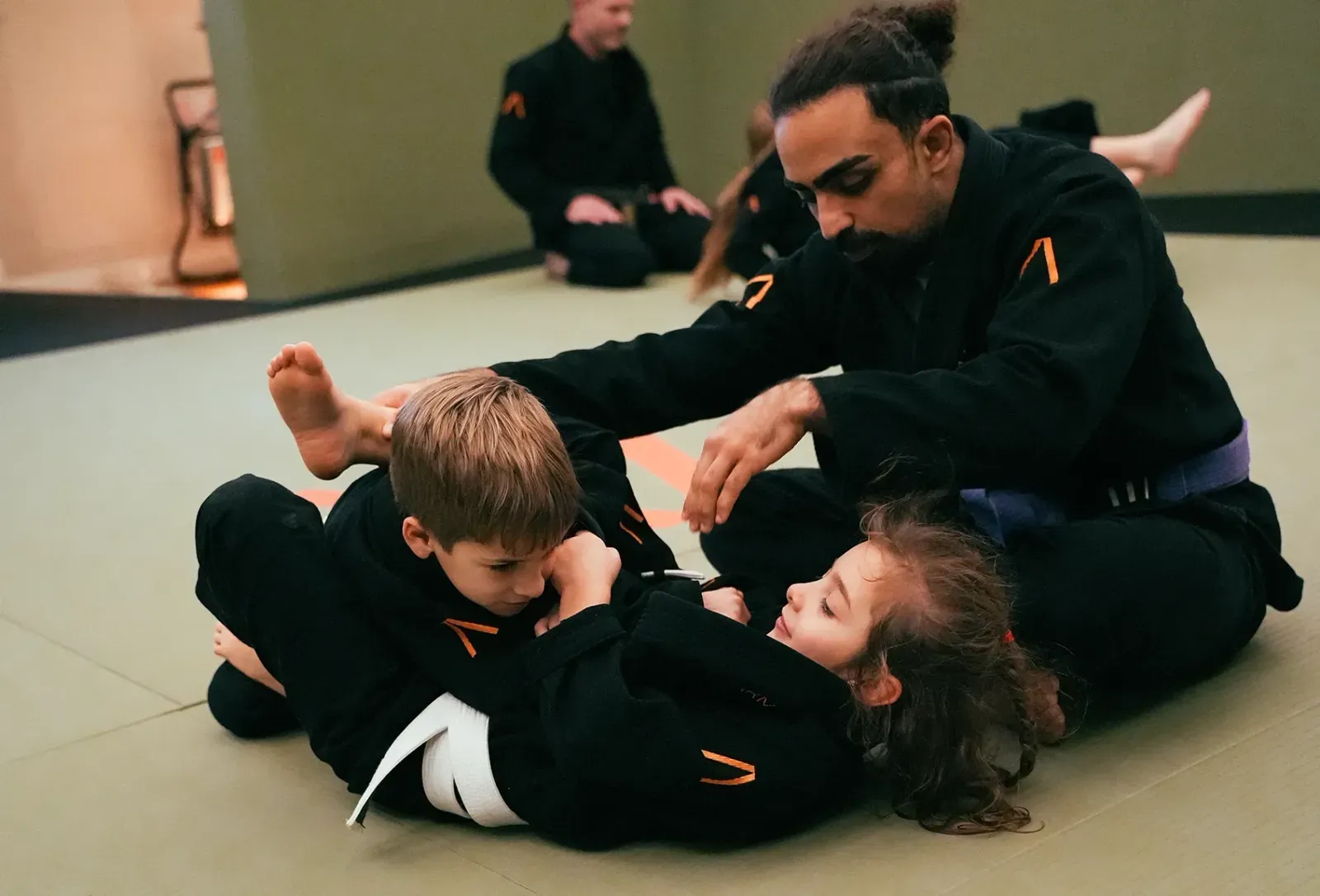
The ARMA Kids programme introduces proper BJJ curriculum whilst maintaining an age-appropriate pace and atmosphere. Children at this age are ready for structured learning, technical progression and light sparring.
Learning aims:
- Discipline
- Respect
- Resilience
- Problem-solving
- Confidence under pressure
- Learning humility in winning and losing
What they'll learn:
- Core positions (mount, side control, guard, back control)
- Fundamental escapes and reversals
- Basic submissions (armbars, triangles, chokes)
- Positional control and pressure
- Movement efficiency and timing
Class structure:
- Dynamic warm-up (movement drills, basic conditioning)
- Technique instruction (2-3 related techniques per class)
- Partner drilling with coach supervision
- Positional sparring (controlled, from specific positions)
- Cool-down
Classes are 45 minutes and taught by experienced instructors who understand how children learn. Training is structured but engaging – kids are moving, thinking and problem-solving, not standing in lines or repeating abstract movements.
ARMA Teens (Ages 12+)
Bridging the gap to adult training.
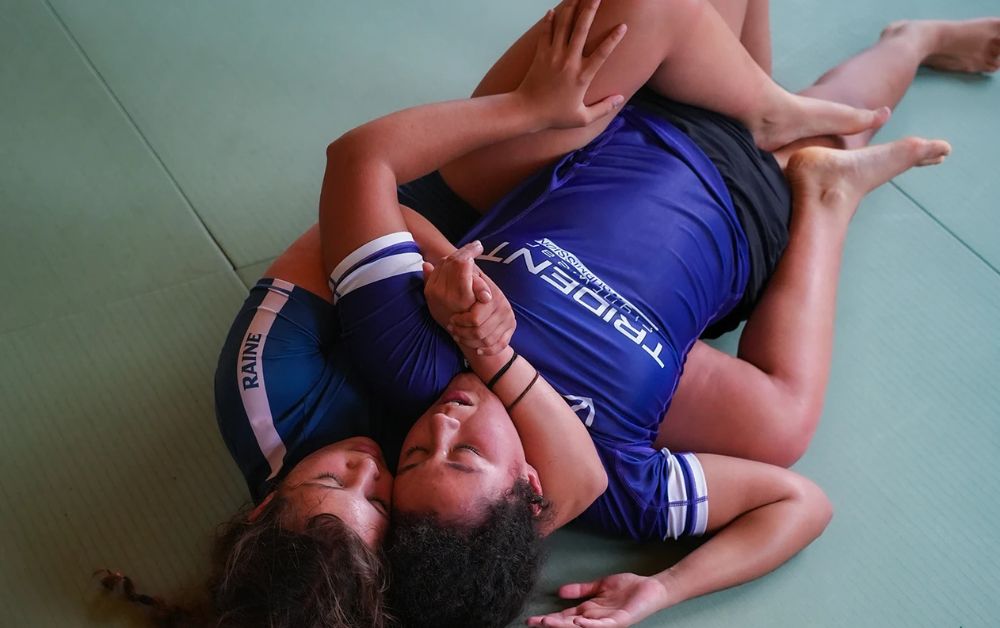
The Teens programme prepares students for adult-level training whilst providing age-appropriate structure and support. At this stage, students are ready for technical depth, longer sessions and higher-intensity training.
What they'll learn:
- Expanded technical curriculum (guard passes, sweeps, submissions)
- Introduction to competition-style training (optional)
- Physical conditioning integrated into warm-ups
- Strategy and game development
- Self-regulation and mental resilience
Class structure:
- Dynamic warm-up (movement, stretching, conditioning)
- Technique instruction (2-3 techniques with variations)
- Drilling and repetition
- Positional sparring and live rolling (controlled intensity)
- Cool-down
Classes are 45 minutes and prepare teens to transition into adult Fundamentals classes when they're ready (typically ages 15-16, depending on maturity and skill level).
Learn more about ARMA Teens and Young ARMA's memberships.
Benefits of BJJ for Children: What Makes It Different from Other Activities
1. Confidence Without Aggression
BJJ teaches children they're capable of handling physical challenges without resorting to violence. They learn to stay calm under pressure, solve problems and defend themselves if necessary – but the focus is always on control, not domination.
This is particularly valuable for shy or anxious children who need confidence-building in a supportive, non-threatening environment.
2. Discipline and Focus
Every class requires children to listen, follow instructions, respect their training partners and take responsibility for their own learning. These aren't abstract lessons – they're built into the structure of training.
Children who struggle with focus in school often thrive in BJJ because the feedback is immediate and the challenges are tangible.
3. Physical Literacy
BJJ develops coordination, balance, body awareness and functional strength in ways that team sports often miss. Children learn how to move efficiently, fall safely and use their bodies with control and purpose.
These are foundational skills that transfer to every other physical activity they'll do throughout their lives.
4. Resilience and Problem-Solving
BJJ is hard. Children will struggle, make mistakes and experience setbacks – but they'll also learn that progress comes from persistence, not perfection. The stripes and belt system provides clear milestones, and every class offers small, achievable challenges.
This builds resilience in a safe, controlled environment where failure is expected and learning is celebrated.
5. Lifelong Friendships
The relationships kids build on the mat are different from school friendships. They're training partners, not just classmates – and that shared experience creates strong bonds.
How Often Should Kids Train?
The right training frequency for your child depends less on age and more on their enthusiasm and your family's schedule.
At ARMA, we have kids who train once a week and love it, and others who come five times a week because they can't get enough. Both approaches work - what matters most is finding a rhythm that's sustainable and enjoyable for your child and your family.
What to consider:
- Your child's excitement level – Do they ask to come back? Do they talk about BJJ at home? Let their enthusiasm guide frequency.
- Your family's schedule – Can you realistically commit to 2-3 sessions per week, or is once a week more manageable right now?
- Consistency over intensity – A child who trains once a week for a year will progress more than one who trains four times a week for two months.
The progression reality:
Children who train more frequently will progress faster – they'll remember techniques better, build skills quicker and earn their stripes and belt promotions sooner. This is natural and expected. But progression isn't the only goal, especially for younger children. Building a lifelong love of training, developing discipline and having fun matter just as much.
Our recommendation:
Start with whatever frequency feels right for your child and your schedule. After a few weeks, you'll know if they want more mat time or if the current routine is perfect. Many families start with 1-2 sessions per week and naturally increase to 3-4 as their child gets hooked.
Parent tip: Celebrate effort and progress, not just "winning." BJJ rewards consistency and problem-solving, not raw athleticism.
Check the ARMA Timetable for Young ARMA's class times.
What Makes Young ARMA's Different
1. Premium Facilities
ARMA's mats and training space are designed for serious training. Children train in the same facility as adult members, world champions and professional athletes – which creates a culture of excellence from day one.
2. Experienced Instructors
Young ARMA's coaches are experienced BJJ practitioners who understand child development and how to teach technique progressively. Classes are structured, disciplined and fun – not chaotic, not military-style, just effective.
3. Clear Progression System
Children earn stripes on their belts as they progress, with clear benchmarks for technique, behaviour and consistency. Promotions are earned, not given, which makes advancement meaningful.
4. Safe, Supportive Environment
Training is partner-based, supervised and conducted with strict safety protocols. Instructors monitor intensity, ensure proper technique and create an environment where children feel challenged but never unsafe.
Explore ARMA's facilities in Clapham.
Frequently Asked Questions
Is BJJ safe for children?
Yes. BJJ is a grappling art with no striking, and classes are closely supervised. Children learn how to fall safely (breakfalls) from day one, and all training is conducted with controlled intensity. Injuries are rare and typically minor (mat burn, occasional bumps).
What if my child is shy or not very athletic?
BJJ is ideal for shy children because it builds confidence through skill development, not social performance. It's also a great option for kids who don't excel at team sports – BJJ rewards problem-solving and persistence, not speed or size.
What does it cost?
Young ARMA's memberships start at competitive rates for South West London. Visit Young ARMA's Memberships for current pricing.
How to Get Started
Step 1: Book a taster class or schedule a tour to see the Young ARMA's programme in action.
Step 2: Arrive 10-15 minutes early so your child can try on a gi (we provide a complimentary loan gi for the first taster session) and meet the instructor.
Step 3: Parents are welcome to observe from reception whilst your child trains.
Step 4: Decide if it's a good fit – no pressure, no hard sell.
Most children know after their first class if BJJ is for them. The vast majority who try a taster session love it and join as members afterwards.
Ready to see if BJJ is the right activity for your child? Book a taster class or schedule a tour today.